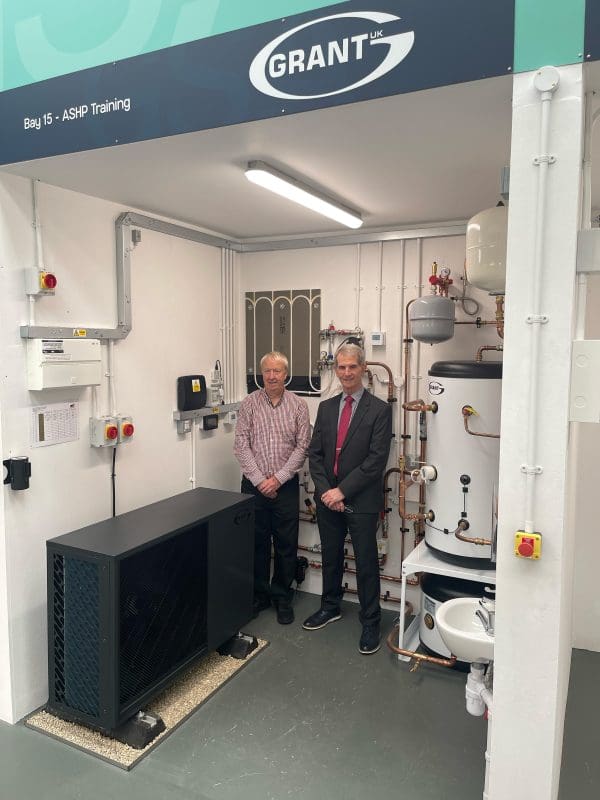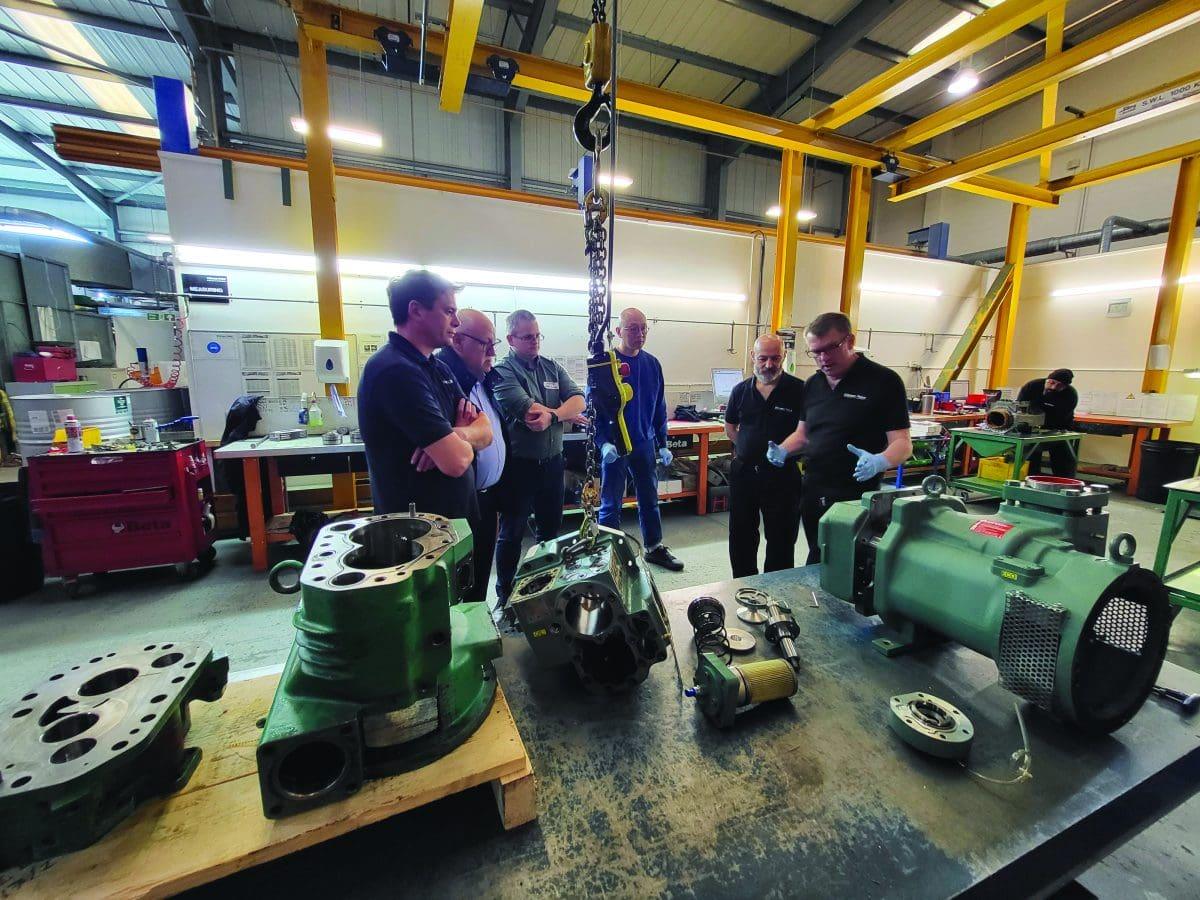
Tens of thousands of additional workers will be needed to help transition the UK to net zero, across all sectors. Earlier this month, the government announced plans to train 18,000 people to install heat pumps and insulation, fit solar panels and work on heat networks.
So what opportunities does this create across the UK?
Here Nick Renner, Skills Forecasting Partner at tech training provider BPP, shares his views on ‘green skills hubs’ and where they might emerge.
The Labour Government’s Green Paper titled ‘Invest 2035’, underscores the UK’s commitment to sustainable growth aligned with net zero goals. Clean energy is highlighted as a key component of the Government’s Industrial Strategy, aiming to significantly boost green jobs.
The labour market is transitioning as a result, with 39% of core skills expected to change by 2030 globally, according to the World Economic Forum (WEF) Future of Jobs Report 2025. As such, prioritising closing green skills gaps within the workforce will be crucial.
With sustainability and renewable energy taking centre stage in the political agenda, regions across the UK have the potential of bolstering the nation’s journey to net zero, attracting significant investment. These ‘green hubs’ are essential for training workers in the skills needed for a greener future, supporting industries like wind and solar energy, hydrogen production and carbon capture.
According to Lightcast’s UK Skills Revolution report, the growth rate of green jobs is nearly four times that of overall UK employment growth. The rise in the green economy is being seen more in the ‘greening’ of existing roles than in the creation of entirely new green jobs.
So where exactly will we see these jobs emerge across the UK? Based on large-scale renewable projects in development, we explore some of the key regions beyond the M25 that are likely to become green skills hotspots.
Regions likely to become green skills hotspots
The North East: A powerhouse for offshore wind
The North East of England has long been a hub for heavy industry and manufacturing, making it a prime location for renewable energy projects. The region is home to major offshore wind developments, including Dogger Bank Wind Farm, which is set to become the world’s largest offshore wind farm.
The growth of offshore wind will also bring supply chain opportunities, with manufacturers and engineering firms benefiting from increased demand for wind turbine components and maintenance services.
Scotland: Leading the way in green hydrogen
Scotland has set ambitious targets for renewable energy, with a strong focus on green hydrogen production. The country’s vast wind resources provide an ideal setting for hydrogen projects, which involve using renewable electricity to split water into hydrogen and oxygen.
The Acorn Hydrogen Project in Aberdeenshire is one of the UK’s most significant hydrogen initiatives. It aims to produce low-carbon hydrogen using offshore wind and carbon capture technology.
The Humber: The UK’s decarbonisation hub
The Humber region is often referred to as the UK’s energy estuary due to its concentration of industrial and energy-related businesses. The area is undergoing a green transformation, with significant investment in carbon capture and storage (CCS) and offshore wind projects.
The Zero Carbon Humber initiative is at the heart of this transformation, aiming to create the UK’s first net-zero industrial cluster by capturing and storing carbon emissions from heavy industry. This project alone could create thousands of new jobs.
Wales: Tidal and floating wind opportunities
Wales has significant potential for renewable energy, particularly in tidal and floating wind technology. The proposed Morlais tidal energy project off the coast of Anglesey is one of the most ambitious tidal power initiatives in the UK, with the potential to generate clean energy for thousands of homes.
Floating wind farms, which allow turbines to be placed in deeper waters, are also being explored off the Welsh coast. These projects require specialised skills in marine engineering, installation, and maintenance, creating a demand for targeted training programs. As these projects develop, Wales is set to become a leader in marine-based renewables, providing sustainable jobs for local communities.
The South West: A centre for nuclear and renewable integration
The South West of England is playing a vital role in the UK’s energy transition, with a mix of nuclear, wind, and solar projects. Hinkley Point C, one of the country’s largest nuclear power projects, is already generating thousands of jobs, many of which require specialised training in low-carbon energy production. The region also has strong solar and wind potential, with growing investment in offshore wind along the Bristol Channel.
Embracing the entire of the UK’s potential
These are just some of the exciting projects happening across the UK. There are also major investments being placed across the Midlands, namely with the Advanced Propulsion Centre to support the transition to a net zero automotive supply chain, as well as Northern Ireland, North West, Midlands, South East and the East of England.
Bridging the green skills gap
The government must ensure that the jobs being created by these projects are being filled for a seamless net zero transition.
Lightcast’s Skills Disruption Index shows that skills development should focus less on training people from scratch and more on upskilling existing workers. For instance, technicians, engineers, and construction workers can be retrained to work in renewable energy and manage modern power grids. Meanwhile, senior leaders can receive education in corporate governance and ethical decision-making to embed ESG principles into core business strategies.
Many workers already possess the foundational skills needed for their fields. The key now is to invest in their development, ensuring they can adapt to shifting job roles and responsibilities.
The WEF report confirms this approach, projecting that 59 out of every 100 workers will require significant training by 2030, with 29 needing upskilling in their current role and 19 requiring reskilling for entirely new positions.
The importance of apprenticeships
Apprenticeships are a key part of the shift to a greener economy, offering a practical route for upskilling and reskilling at all levels. By combining hands-on experience with targeted learning, they help create highly skilled professionals ready to meet evolving industry demands.
Businesses should consider investing in apprenticeships as a way to develop talent from within – enabling workers to gain new qualifications while remaining in employment. This model is especially effective in fields like manufacturing, engineering, ESG, law, and finance, where real-world learning accelerates skill development.
A nationwide green revolution
With large-scale renewable energy and net zero projects underway, the regions beyond the M25 are well on their way to becoming the backbone of the UK’s green economy, ensuring a cleaner, more resilient future for generations to come.
By investing in workforce training and upskilling, the UK can ensure that their current workforce is equipped and adaptive, as the job market is becoming increasingly skills and task-based.
The shift to renewable energy is not just about reducing carbon emissions – it’s about creating sustainable jobs, revitalising communities, and driving economic prosperity beyond the South East.
Image credit: Dreamstime