Aaron James Darvill, Strategic Sales Director at Anker, discusses that the government approval of plug-in solar could make renewable energy accessible to millions more UK households, creating new opportunities for consumers, installers and the wider industry.
The UK could be on the cusp of a ‘renewable revolution’ after the government’s decision to give plug-in solar the green light. The regulatory approval – which opens the door to people self-installing solar solutions on balconies and in other outdoor spaces, such as gardens and garage roofs – was granted at the end of August.
The hope is that these low-cost solutions could make renewable solar energy accessible to millions of households that have previously been priced out of traditional rooftop installations.
In June 2026, the government hosted an industry roundtable with some of the biggest retailers in the country, including Amazon, Asda, B&Q, Currys, Screwfix and Wickes, to iron out the details.
In a statement issued by the Department for Energy Security and Net Zero (DESNZ) at the time, Graham Bell, CEO of B&Q, said: “We are working closely with government and suppliers to understand and help shape the guidance, ensuring any products we offer are safe, compliant and straightforward to install.”
Consumer demand
The reason that there is so much excitement about plug-in solar is that it addresses a part of the market that has, until now, been largely ignored.
residential solar has typically required homeowners to invest anywhere between £12,000 and £18,000 on average in roof-mounted panels, battery storage and an inverter. And, of course, it takes a professional to install and commission the system.
While the long-term savings of such roof-mounted solutions can be significant, the upfront cost – as well as having the right property – has kept these systems out of reach for many households.
That’s why plug-in solar is such a gamechanger. It creates a more affordable entry point for consumers who want to generate and store their own electricity but cannot justify the cost or complexity of a full installation.
Panels provide an affordable way to begin generating electricity, while modern lightweight batteries allow consumers to store surplus power and use more of it when they need it.
This modular approach means households can maximise the value of the energy they generate and expand their system over time. What’s more, it opens the market to huge numbers of people who have traditionally been excluded, including renters, people living in flats and apartments, as well as households in listed buildings or conservation areas.
Another key selling point is that it’s flexible. It allows homeowners and renters alike to start with a smaller system that can be expanded over time.
These systems can flex in size as families grow and – just like a fridge or a washing machine – they can easily be unplugged and relocated when people move. For some, it could even work as a gateway to a full-blown roof installation.
Learning from Europe
While plug-in solar has only just been given regulatory approval in the UK, the technology is already well established elsewhere in Europe.
In Germany, for example, supportive legislation, high consumer awareness and rising electricity prices have helped drive rapid adoption over the past four years. But the biggest lessons have come first-hand from customer behaviour rather than sales alone.
As a leading solar battery storage brand, one of the things we’ve learned is that customers value reliability, peace of mind and above all, the simplicity of plug-in systems.
And once it’s up and running, consumers want to understand how much electricity they are generating, storing and using, and how those decisions affect their energy bills. Watching those savings grow via an app quickly becomes part of the appeal.
Another observation I would make is that people rarely buy their “forever” system. Instead, they start small and expand over time as their circumstances change, adding more storage, additional panels or integrating other technologies as their energy needs evolve.
Creating opportunities for installers
Now, I’m conscious that all this talk of plug-in solar may ring alarm bells for some in our industry. But rather than competing with conventional rooftop systems, plug-in solar serves a completely different market.
In fact, I would go further and say that this creates opportunities for installers rather than taking work away from them. After all, most traditional solar companies would see little commercial value in a small two-panel installation on a balcony or garage.
However, consumers who want help installing or commissioning a plug-in solar system may still need the support of a qualified electrician.
Indeed, plug-in solar is likely to provide an entry point for electricians looking to diversify into renewable energy. By gaining experience with smaller systems, they can build the skills and confidence needed before moving into larger residential installations.
Rather than replacing the existing solar industry, plug-in solar has the potential to create an entirely new market alongside it.
Education is key
That’s why education will play an equally important role in how quickly consumers embrace it.
Buying a plug-in solar system should be as straightforward as buying any other household appliance. Building that confidence will be essential if plug-in solar is to become a mainstream household technology rather than a niche product for early adopters.
But that will only happen if consumers understand how the technology works and what it can realistically deliver. And if that proves too much, then it’s essential that they can seek the professional advice they may need. In that regard, manufacturers, retailers, and installers all have a role to play. So too have utility companies.
Suppliers such as Octopus Energy have already demonstrated their effectiveness at engaging with consumers about dynamic tariffs and helping households think differently about how they generate, store and use electricity.
As plug-in solar becomes more widely available, utilities are ideally placed to become trusted advisers, helping customers select the right products, arrange installation and maximise the value of the electricity they generate.
At the same time, manufacturers have already invested heavily in developing products, retailers are preparing to bring them to market, and consumers are showing growing interest in lower-cost renewable energy.
The next chapter for home energy
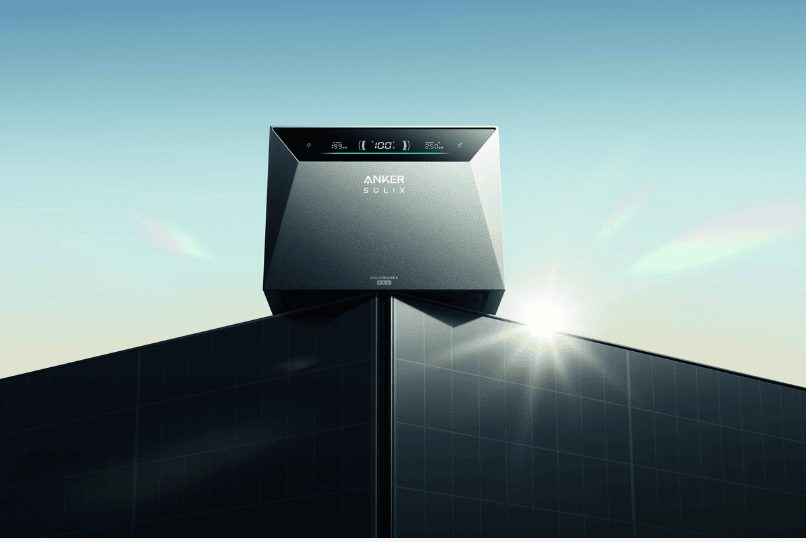
At Anker SOLIX, for example, we’ve been preparing for the UK launch for the last 18 months. We have a range of solar balcony solutions available, including panels and batteries. Our engineers have tested different installation scenarios, developed technical support resources and planned for a range of possible regulatory outcomes.
And we are committed to working with the government, trade associations, retailers and customers dedicated to advance plug-in solar and storage safely and simply.
If plug-in solar succeeds in the UK, its impact is likely to extend well beyond a new category of consumer technology. It has the potential to change who can participate in the country’s transition to renewable energy.
I truly believe that plug-in solar truly is the gateway to the democratisation of energy. After all, across Europe, adoption continues to accelerate as consumers become more comfortable generating, storing and managing their own electricity.
New technologies – from solar roof tiles to solar fencing – are already beginning to emerge, with battery storage, AI monitoring and dynamic tariffs becoming increasingly integrated. With clearer regulation, continued innovation and greater consumer confidence, plug-in solar has the impetus to become a mainstream part of home energy, giving millions of households a practical and affordable way to take greater control of the electricity they generate and use. And I, for one, cannot wait.