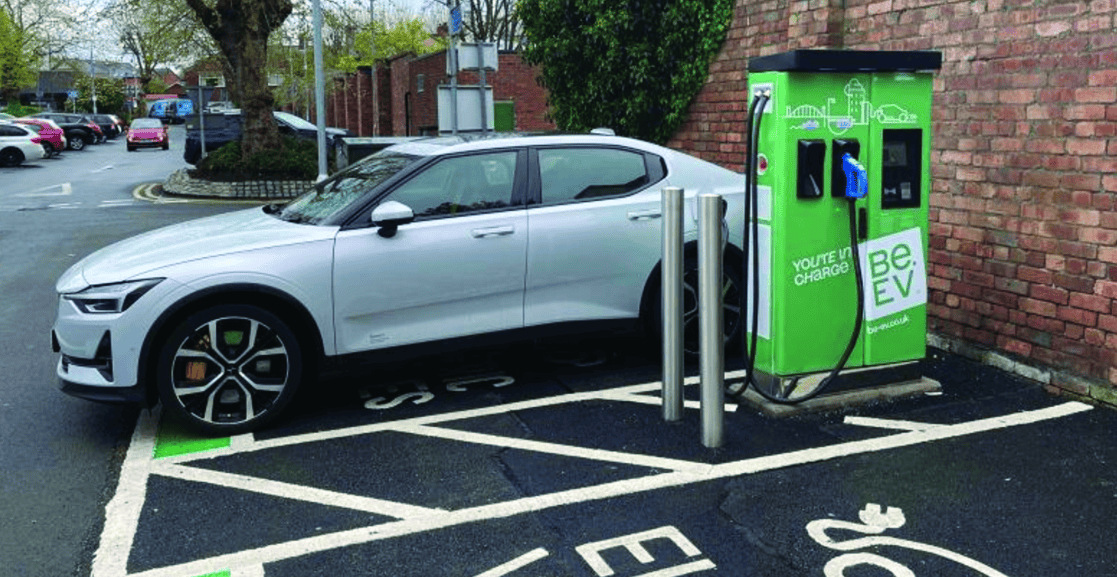
According to James Skidmore, Director of Consulting at Reconomy brand Valpak, end-of-life electric vehicle (EV) batteries will soon become one of the fastest-growing and most complex waste streams globally. Coupled with the prospect of future shortages of critical battery materials such as lithium, this is increasing the need for circular solutions that can recover valuable materials at scale.
Global EV sales have grown rapidly over recent years, surpassing 20 million units and now accounting for roughly 25% of all new cars sold worldwide.1This growth brings a new and less visible challenge into focus: end-of-life battery waste. Most EVs are powered by lithium-ion batteries (LIBs) and around 1.2 million EV batteries could reach end-of-life by 20302. By 2030, 11 million metric tonnes of end-of-life LIBs are expected to have been generated cumulatively, and the annual waste flows of EV batteries will reach as high as 340,000 metric tons by 2040.3
LIBs are used in a wide range of applications, from portable electronics and power tools to energy-storage systems and EVs. EV batteries are distinct from smaller consumer batteries: packs can weigh several hundred kilograms and contain complex combinations of materials that require specialist handling, treatment and recycling. At the same time, demand for LIBs is soaring, placing increasing pressure on the supply of raw materials, with academic research suggesting that lithium shortages could emerge under some future supply scenarios.4
Recycling infrastructure will therefore need to expand significantly, both to manage future waste volumes and to recover valuable materials needed for future battery production. Although LIB recycling is a rapidly developing industry, challenges remain in scaling infrastructure. Current processes can be costly because of the complex collection, transportation and treatment involved, while there are also concerns around energy use, hazardous chemicals and operational safety.5 Overcoming these barriers and investing in collection, reuse and recycling systems will be critical to building a resilient circular supply chain for battery materials.
James, commented: “EVs are a critical part of the transition to a lower-carbon economy, but their long-term success depends on how effectively we manage the waste stream that follows, while also strengthening the supply of critical minerals. Expanding the capacity and efficiency of circular infrastructure will be essential to recover valuable materials, strengthen supply chains, reduce reliance on virgin resource extraction and maximise the long-term sustainability of the EV transition.”
Sources
- The International Energy Agency: Global EV Outlook 2026 – https://www.iea.org/reports/global-ev-outlook-2026
- The International Energy Agency: https://www.iea.org/news/battery-recycling-innovation-surging-as-countries-seek-to-strengthen-critical-mineral-supply-and-energy-security
- Energy and environmental aspects in recycling lithium-ion batteries: Concept of Battery Identity Global Passport https://www.sciencedirect.com/science/article/abs/pii/S1369702120303060?via%3Dihub
- Lithium-ion battery recycling: a critical review of techno-economical and socio-environmental impacts – Science Direct: https://www.sciencedirect.com/science/article/pii/S1383586625044442
- Sustainable recycling of lithium-ion batteries: Pipe dream or realistic solution – Science Direct: https://www.sciencedirect.com/science/article/pii/S2949790625001259?